
STYLE YOUR TABLE
Style Your Table for Elegant and Memorable Dining
Table styling is the art of balancing aesthetics with function, creating a visual invitation that tells your guests exactly what kind of experience to expect. Whether you are aiming for a minimalist modern look or a lush, maximalist celebration, these essential techniques will help you elevate your presentation.
1. Master the Layering Technique
The secret to a professional-looking table is depth. Avoid placing plates directly on a bare surface; instead, build layers from the bottom up:
The Foundation: Start with a high-quality tablecloth for formal events, or a textured table runner for a more relaxed feel.
The Charger: Use a charger plate as a decorative base. This adds a pop of colour or texture (like brushed gold, woven rattan, or matte ceramic) that frames your dinnerware.
The Stack: Layer your dinner plate, salad plate, and soup bowl. Mixing shapes—such as a square salad plate atop a round dinner plate—creates modern visual interest.
2. Choose a Cohesive Colour Palette
A unified colour scheme makes a table look curated rather than cluttered.
Monochromatic: Use varying shades of a single colour (like forest green, sage, and mint) for a sophisticated, calming effect.
Earth Tones: Terracotta, beige, and charcoal create a warm, organic atmosphere perfect for autumn or casual brunches.
High Contrast: Pair deep navy or black linens with crisp white porcelain and metallic accents for a timeless, high-end aesthetic.
3. Incorporate Natural Elements
Nature provides the best dekor . Beyond the standard floral bouquet, consider:
Greenery: Eucalyptus sprigs or dried pampas grass offer longevity and a bohemian flair.
Seasonal Produce: Scatter pomegranates and figs for a winter feast, or bowls of bright lemons and limes for a summer garden party.
Textured Wood: Use wooden serving boards or driftwood pieces to ground the elegance with a touch of rustic charm.
4. Play with Height and Lighting
A flat table can feel stagnant. Create dynamic movement by varying the height of your Dekor:
Taper Candles: Use elegant, tall candles in varying heights to draw the eye upward and provide a soft, warm glow.
Pedestal Stands: Use tiered stands for appetizers or desserts to save space and add vertical interest.
The “Rule of Three”: Group items in odd numbers at varying heights to create a more natural, balanced look.
5. Focus on the Finishing Touches
The smallest details often leave the biggest impression on guests:
Napkin Art: Instead of a simple fold, try a loose knot for a relaxed look or use a statement napkin ring that complements your cutlery.
Personalization: Hand-written place cards or a small sprig of rosemary tied to the menu make guests feel uniquely welcomed.
Glassware Variety: Mix a vintage-style coloured water goblet with a sleek, modern wine glass to add character and sparkle to the setup.
6. Design for Conversation
While high centre pieces look stunning, they can block the view between guests. Always test the “sit-down height”—ensure that your floral arrangements and candles are either low enough to see over or tall and slim enough to see under. The ultimate goal of a beautiful table is to facilitate connection.
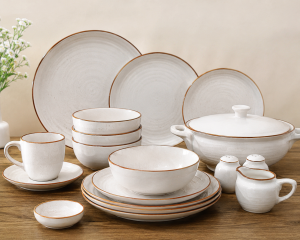
Key Advantages of Professional Styling
Beyond the aesthetic appeal, a well-styled table serves as a silent host, setting the rhythm and tone of the entire meal. It bridges the gap between a simple meal and a curated event, offering several psychological and functional benefits. The Psychology of Presentation The way a table is set influences how guests perceive the quality of the food and the importance of the occasion. The “Halo Effect”: When a table looks beautiful, guests often perceive the food as tasting better. A sophisticated presentation signals that care was taken in every step of the preparation. Defining the Mood: Bright colours and eclectic patterns can spark high-energy conversation for a brunch, while low lighting and deep linens encourage a slow, intimate evening. Key Advantages of Professional Styling Benefit it Impact on the Experience Visual Storytelling Your table tells a story—be it a “Coastal Summer” or “Industrial Chic”—giving the event a clear identity. Guided Interaction Proper placement of cutlery and glassware intuitively guides guests through the courses, making them feel comfortable. Photogenic Appealing a digital age, a “tablespace” serves as a perfect backdrop for memories, ensuring the effort is captured and shared. Mindful Dining beautiful setup encourages guests to linger longer, fostering deeper conversation and a slower, more intentional pace of eating. Elevating the Everyday You don’t need a grand occasion to practice table styling. Incorporating small elements into daily meals can transform a routine Tuesday into a moment of relaxation. Pairing modern ceramic bowls with vintage silverware creates a “curated over time” look that feels personal and unpretentious. By treating the table as a canvas, you transform dining from a necessity into an art form, making every guest—and yourself—feel like the guest of honour.
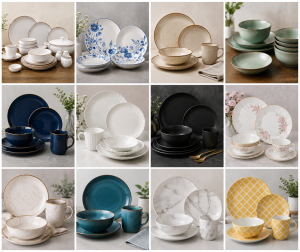
Essential Elements to Style Your Table
The Foundation: Textures and Tones The materials you choose dictate the “voice” of your table. Linens: A linen runner left slightly rumpled offers a relaxed, organic feel, while a starched cotton tablecloth creates a crisp, formal canvas .Dinnerware: Don’t be afraid to mix high and low. Pairing heirloom ceramic plates with modern, matte-finish cutlery creates a “collected” look that feels sophisticated but approachable. Digital Precision: Designing Online Before laying out physical items, utilizing online design tools can be a game-changer for large events or complex themes. Visual Prototyping: Use digital mood boards to drag and drop different charger plates against various linen colours. This prevents “buyer’s remorse” and ensures your gold accents don’t clash with your silver-toned glassware. Spatial Planning: Virtual tools allow you to calculate exactly how many centre pieces you need for a specific table length, ensuring the setup remains balanced and not overcrowded. The Professional’s Checklist To achieve that “magazine-ready” look, keep these professional standards in mind: Element The “Pro” Secret Sy immerses a ruler or your thumb to ensure cutlery is exactly one inch from the table edge. The “View” Tests it in a chair to ensure your centre piece doesn’t block the person across from you. Negative Space Leave enough “white space” on the table so the eye can rest; a crowded table feels chaotic, not luxurious. Scent Control Use unscented candles and low-fragrance flowers (like hydrangeas or ranunculus) so as not to compete with the aroma of the food. Trends to Watch Organic Minimalism: Think stoneware in charcoal or sand tones, paired with a single architectural branch in a glass vase. Dopamine Dekor : The opposite of minimalism—use vibrant, clashing patterns, coloured glassware (like amber or cobalt), and bold floral arrangements to create a high-energy, joyful atmosphere. Textural Contrast: Mixing a smooth marble coaster with a rough-hewn wooden serving board creates a tactile experience that feels high-end. A Final Tip for Success Always remember that lighting is the ultimate styling tool. Even the most expertly styled table can look flat under harsh overhead lights. Use warm-toned candles or dimmable lamps to create a soft glow that reflects off your glassware and cutlery, making everything on the table sparkle. By combining thoughtful planning with these styling principles, you create an environment where the dekor serves as a beautiful prelude to the meal itself.

Expanding the Basics: Advanced Table Styling FAQ
How can I make a small table look elegant without it feeling cluttered?
Focus on verticality and transparency. Use slim taper candles and clear glassware to keep the visual “weight” low. Instead of a large central bouquet, place three single stems in small bud vases to allow for more plate room while maintaining a curated look.
what is the easiest way to deasignat your table setting online ?
The human eye finds odd numbers more natural and engaging. When arranging centerpieces, group items in threes—for example, a vase, a candle, and a small decorative object. Vary their heights to create a triangular visual path that feels balanced rather than stagnant.
How do I choose the right centre piece height?
Follow the 12-inch rule: keep your arrangements either below 12 inches (so guests can see over them) or above 24 inches (using thin pedestals so guests can see under them).
Can I mix different metal finishes, like gold and silver?
Yes, mixing metals is a major trend that adds depth. To do it successfully, choose one dominant metal (e.g., gold cutlery) and use the second as an accent (e.g., silver rimmed glassware or pewter candle holders). Keeping the finishes consistent—all matte or all polished—helps unify the look.
What is the best way to transition a table from day to night?
The quickest transformation is through lighting and texture:
Day: Use natural light, bright linens, and fresh greenery.
Night: Add unscented tea lights, swap light napkins for deeper tones, and introduce metallic accents that will catch the candlelight.
How do I style a table for a themed dinner without it looking “themed”?
Avoid literal interpretations. Instead of using “nautical” props for a seafood dinner, use a palette of navy and white, textured jute placemats that mimic rope, and sea-salt finishes on your ceramics. Evoke the feeling rather than displaying the icons.
Final Summary Checklist
Before your guests arrive, do a quick “walk-around” the table:
[ ] The Seat Test: Sit in at least two chairs to check sightlines.
[ ] The Glow Factor: Ensure candles are secure and lighting is dimmed.
[ ] The Practicality Check: Is there enough room for water carafes and wine bottles?
[ ] The Personal Touch: Are the name cards legible and correctly placed?
By focusing on these details, you ensure that your table isn’t just a beautiful photograph, but a functional, welcoming space for connection.

CONCLUSION
The art of table styling is ultimately an act of hospitality. It is a visual gesture that tells your guests they are worth the effort and that the time spent together is significant. By treating your table as a canvas, you transform the act of eating into a multisensory experience that lingers in the memory long after the final course is served.
Whether you are utilizing digital tools to prototype a grand wedding reception or simply layering a textured runner for a Sunday brunch, the principles remain the same: balance, intention, and a touch of the unexpected.
Your Styling Roadmap
To move forward with confidence, keep this simple progression in mind:
Define the Vibe: Is it “Modern Minimalist” or “Rustic Harvest”? Let the occasion dictate the mood.
Build the Base: Layer your linens and chargers to create immediate depth.
Add the Life: Use greenery, candles, and natural elements to bring warmth to the arrangement.
Refine the Details: Focus on the small touches—the fold of a napkin or a handwritten card—that make the setting feel personal.
As you begin to experiment with these techniques, remember that there are no rigid rules—only guidelines to help your creativity shine. A perfectly styled table is one that reflects your unique taste while making everyone seated around it feel comfortable and inspired.
